

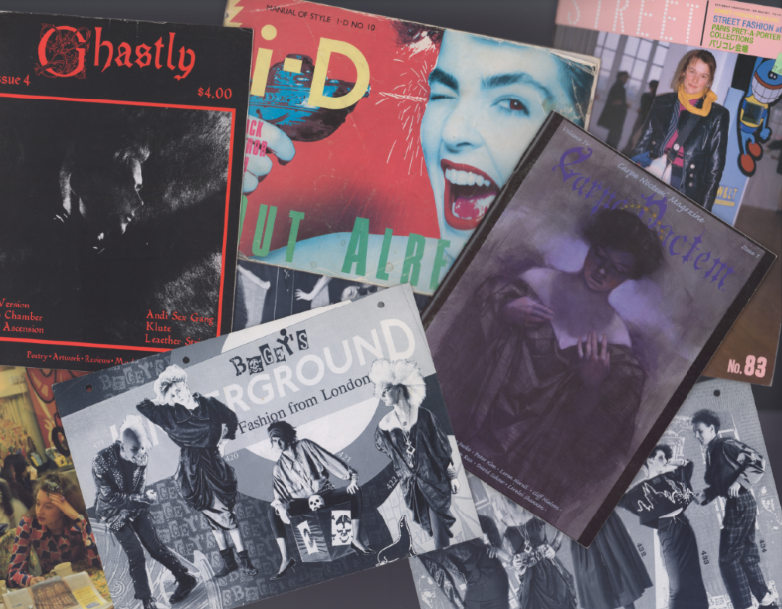
Fashion and culture are closely connected. What we wear tells others where we come from, what we believe in, and how we’re feeling. Our clothes can help us stand out or fit in, express ourselves differently or follow the crowd.
Clothing worn by members of countercultures and subcultures is naturally eye-catching, helping people recognize them by their distinctive styles. Hippies were known for their patchwork clothes and long hair, while punks made anti-conformist statements with safety pins and torn clothing.
Post-punk and Goth are two dark subcultures that started to develop in the 1970s and 1980s, evolving out of the Punk music scene. In tandem, a new clothing style began to take shape dominated by the color black, inspired by Victorian elements like lace and velvet, studded belts, torn fishnet stockings, leather, and latex. Influential in these scenes were music bands that toured from city to city, connecting fans everywhere, and dance clubs that catered specifically to these groups. TV shows and music videos helped strengthen the connection between the music and the way people looked, reaching millions of viewers at home. Retail stores, both big and small, along with mail-order companies, sold clothes, music, and accessories that exemplified dark subculture styles. They also offered magazines, zines, and catalogs that showcased the subcultures and their looks. Through images and writing, this pre-internet-era print material brings decades of underground, edgy style to vivid life in today’s world and culture. It offers ideas for people who want to dress or design in similar ways, and also serves as an important historical record for researchers.
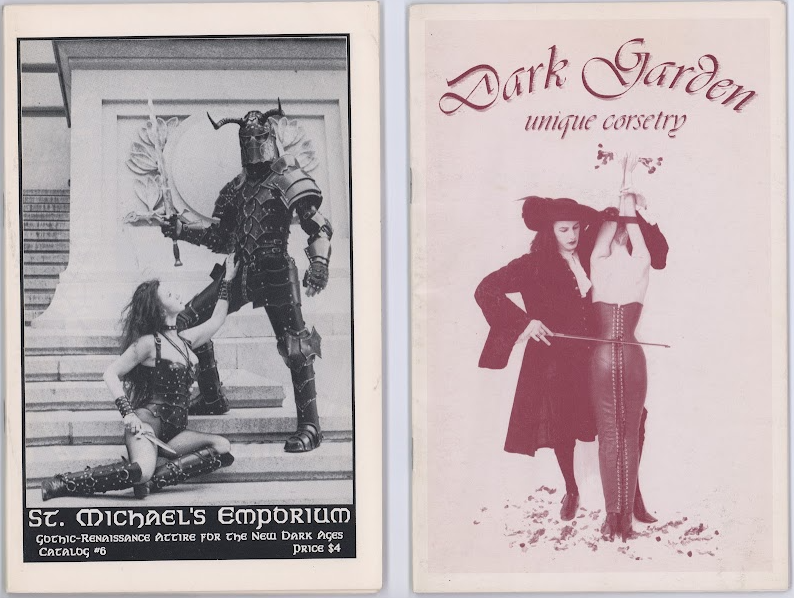
Recently, the FIT Library’s unit of Special Collections and FIT Archive accepted a small collection of magazines and books donated by Charlene Fossum who found affinity with Goth and Alternative social circles in the Philadelphia area, during the 1980s and 1990s. Charlene described her personal experience as a Black member of the Goth subculture: “I subverted twice, in a way, against the mainstream of both Black and white cultural norms. My collection of periodicals and books grew in real time as a contemporary fan of music and culture, and a bit later I sought out and purchased more as a curiosity to look back, learn more, to consider just why that dark culture was so appealing to me. It still informs my life and aesthetic choices to the present day even as my day to day clothes are far less extravagant.”
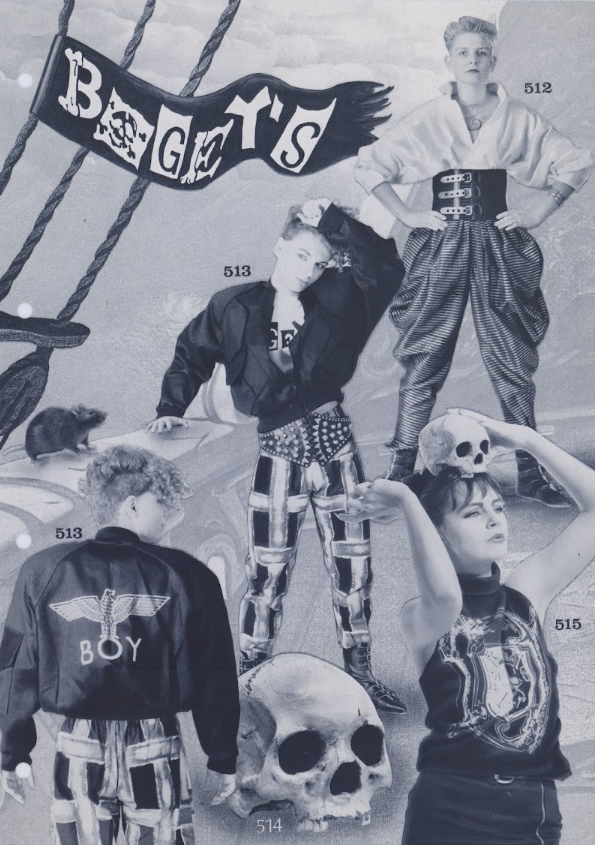
Charlene’s collection is important for history because her experiences are very similar to those of other members of dark subcultures. Her time in the Goth community as a teenager reflects what many others have experienced around the world. These experiences are stories that should be kept and preserved for future generations to learn from, find inspiration in, and enjoy.
Members of the public can view Charlene’s collection as well as other dark subculture materials by making a research appointment in SPARC or the wider FIT library. If you would like to donate your collection to us, please send us an email at [email protected].
Dig deeper
- The Charlene Fossum collection of subculture publications archival collection in SPARC
- International Gothic Association. Gothic Studies. Manchester: Manchester University Press, 1999. Access via the FIT library. Journal homepage.
- The Museum of Post Punk and Industrial Music
- The FIT Library’s Subcultures resources guide
- The International Gothic Association
- Nally, Claire. “The Staying Power of Goth.” Museum of Youth Culture, December 3, 2019. https://www.museumofyouthculture.com/goth/.